Sports Medicine
Sports medicine comprises two main areas: the health benefits of regular physical activity and the health or orthopedic issues associated with sports and physical activity. Interventions include:
- Occupational therapy
- Physical therapy
- Fitness Therapy
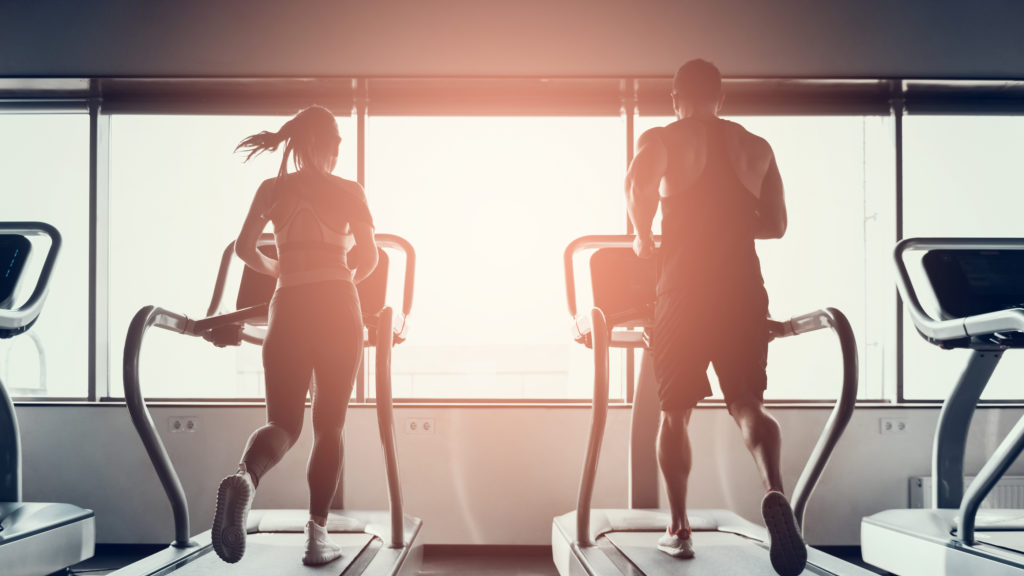
Orthopedic Exercise Therapy
Orthopedic exercise therapy focuses on treating musculoskeletal injuries, reducing pain, and restore function through physical and occupational therapy.
- Improves range of motion
- Restores functional mobility
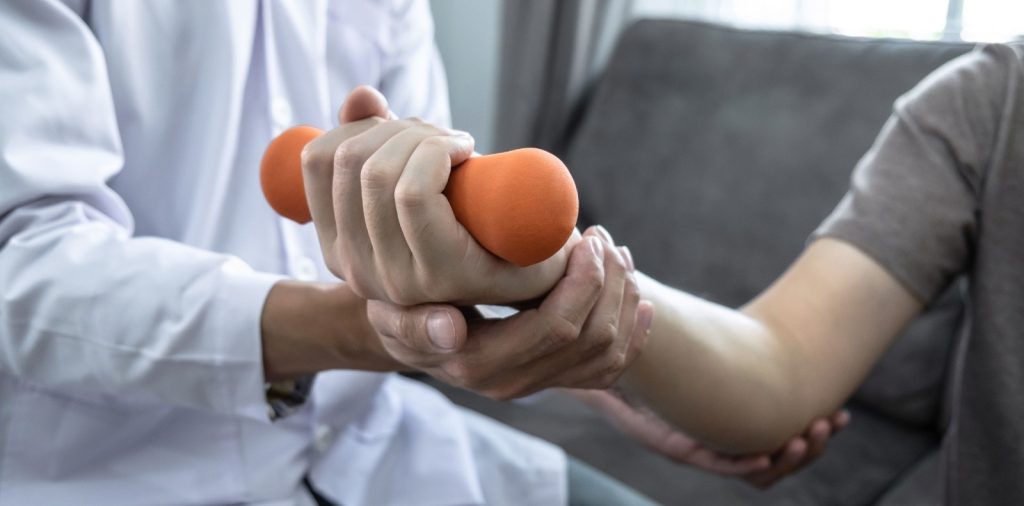
Post-Surgery Rehabilitation
Pre/Post-surgery rehabilitation focuses on helping individuals prepare for or recover from surgery from injuries sustained while participating in sports or other activities.
- Sustained fitness therapy
- Preparing for surgery
- Post-operation physical rehab
- Upper & lower extremity rehab

Hand & Shoulder Rehab
Shoulder therapy in sports rehab is a specialized form of rehabilitation that focuses on helping athletes recover from injuries to their their hand & shoulders.
- Overuse injuries
- Strains
- Fractures
- Dislocations
- Tendon & ligament injuries
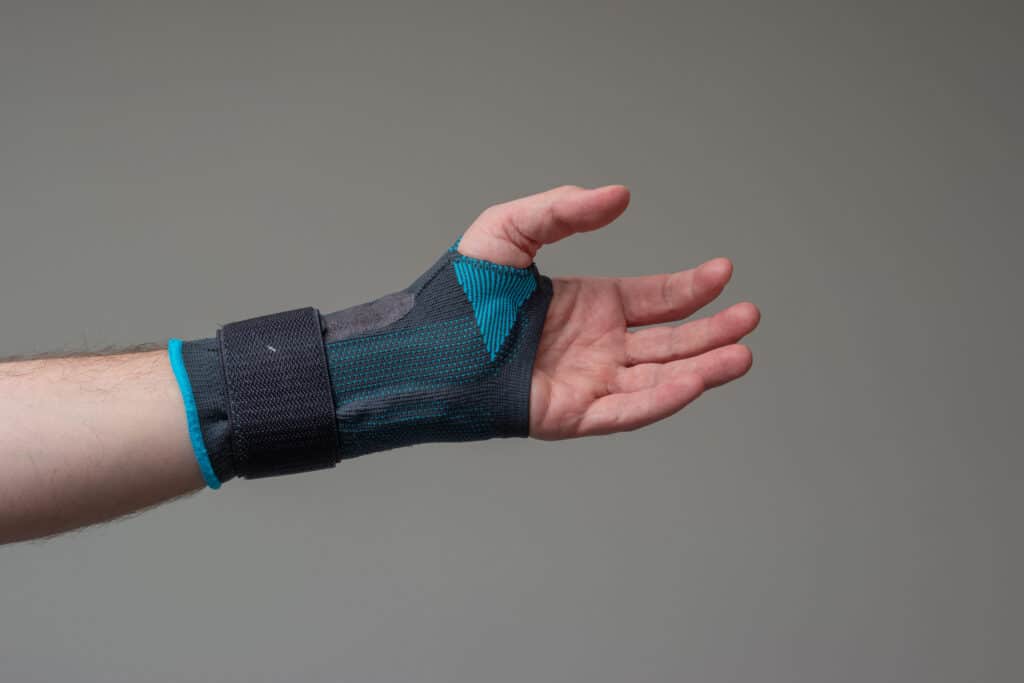
Joint Mobilization
We use controlled, passive movements to move a joint, which can help relieve stiffness caused by injury, inflammation, or prolonged immobility.
- Passive movement: you remain relaxed while the therapist performs the technique.
- Controlled force: The therapist applies pressure and direction to move a joint, often stabilizing one part of the joint while moving the other.
- Specific techniques: Different methods can be used depending on the need, including gentle oscillating motions or more forceful movements.
Lower Extremity Rehab
Lower extremity rehab in sports involves a phased approach to restore mobility, strength, and coordination of the legs, ultimately returning the athlete to play safely.
- ACL rehab
- Hip replacement
- Neuromuscular coordination & balance
- Improved range of motion\
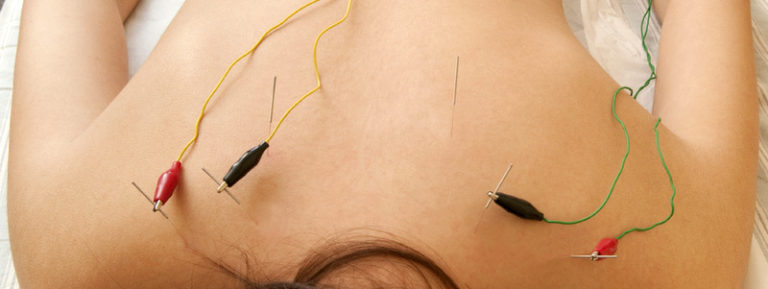
- Dry Needling

Dry Needling
Dry needling is an invasive procedure in which a solid filament needle is inserted into the skin and muscle directly at a myofascial trigger point.